


Rural -
Your best buyer might not live next door
Buyers are asking a bigger question of rural land. Vendors who answer it will find the right buyer, not just the first one.
For a lot of New Zealand's farming history, the logical buyer for a farm was the farmer over the fence. The questions were simple. How much does it produce? How big is it? Where is it? Who's next door, and are they expanding?
Those questions still matter. They're no longer the whole conversation.
A different kind of due diligence
Buyers today are digging deeper than we've ever seen. Production, scale and location still count. But buyers now look past the current use and dig a little deeper: what else can this land do, and for whom?
That question shows up in the detail. Water security sits near the top of every list, because irrigation is driving growth in Canterbury and horticulture in Hawke's Bay. Buyers test environmental performance as a measure of how well a property is run and its sustainability, not as a compliance box. They weigh carbon and forestry potential but not the blanket-pine thinking of a few years back. It's the right tree in the right place, working alongside the farm, not replacing it. And they're paying attention to well-placed assets outside the classic irrigated zones, which have been undervalued because they don't fit the old template.
Buyers are pricing in flexibility. A farm with one income stream and one future is worth less to them than a farm with three possible futures.
A wider buyer pool
The buyers asking these questions aren't only farmers. They include commercial operators building portfolios, high-net-worth diversifiers who want land exposure alongside everything else they hold, and passive investors after carbon offset or scale with a manager in place.
Many of them are buying for the next generation, not the next season. They want to know how many ways a property can earn over twenty years, not just what it made last year.
Land use has always shifted
None of this is new. What's new is how fast land use changes, and how many buyers are watching for it.
Dairy is a good example right now. Farmers are moving into dairy beef, raising calves that once would have gone out as bobbies. It's better for welfare and more efficient, and it changes what a support block is worth to the right buyer.
We've seen vineyard land sold into medicinal cannabis. Across the Tasman, our McGrath colleagues in the Riverina have watched the country move from citrus to almonds as the economics changed. The land stayed the same, its best use didn't.
Every one of those shifts started with someone asking what else the land could do. Often the buyer asks before the vendor does.
First buyer or right buyer
This is where vendors leave money on the table. The default is to market a farm to people who already know it: the neighbours, the district, other pastoral farmers. That will find you a buyer. Usually it's the first buyer, and the first buyer is rarely the one who values the land most.
The right buyer might be a horticulturalist from another region who sees water where a sheep farmer sees grazing. It might be a commercial operator looking for a dairy-beef finishing block, or a family office that wants carbon exposure with a working farm attached. None of them live over the fence, and none of them will find your property unless someone puts it in front of them.
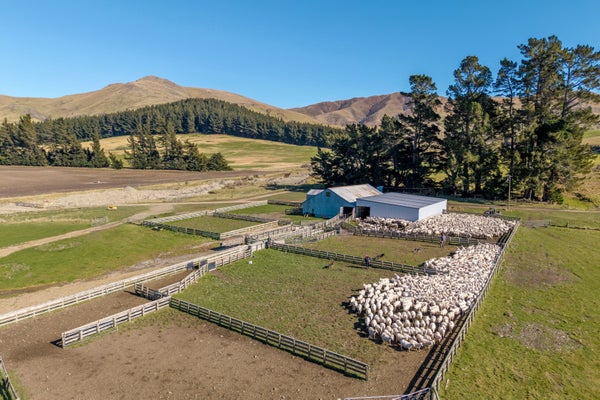
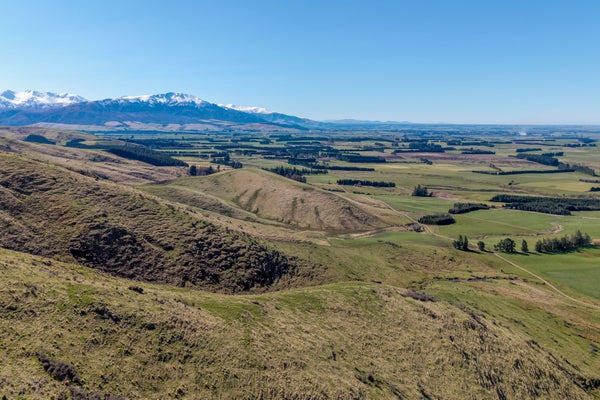
Wakare, the Salvesens' 1,465-hectare foothills property near Mount Somers, is a case in point. Over nearly two decades, Mike and Nicky Salvesen fenced and planted the property's gullies and waterways, built a laneway network for easy stock movement, and ran a deliberately diverse operation across sheep, cattle and deer to spread risk. That work saw Wakare reach finalist stage in the region's Ballance Farm Environment Awards in both years they entered. Going to market, that record isn't a nice-to-have. It's evidence that the land has been managed for more than one use. For example, for a horticulturalist weighing water security, a family office assessing long-term land condition, or a dairy-beef buyer drawn to the property's Angus breeding herd. Bayleys Canterbury rural salesperson, Mike Preston, who's taking Wakare to auction, expects exactly that kind of widespread interest. Properties of this calibre in the Mid Canterbury foothills are usually tightly held within the same family for generations, which means the right buyer is rarely the obvious one. The right buyer has to be found.
Why this matters now
We sponsor the Ballance Farm Environment Awards because environmental performance now turns up in buyer due diligence every week. It's part of how land gets valued.
We also work across dairy, pastoral, arable, horticulture, viticulture, forestry, lifestyle, residential and commercial property, in every region and across the Tasman. That lets us take a farm to buyers who would never have gone looking for it.
Spring listings are about to land. Before yours does, ask the question your buyers are already asking: what else can this land do, and for whom? The answer decides who you're really selling to. Make sure it's the right buyer, not the first one
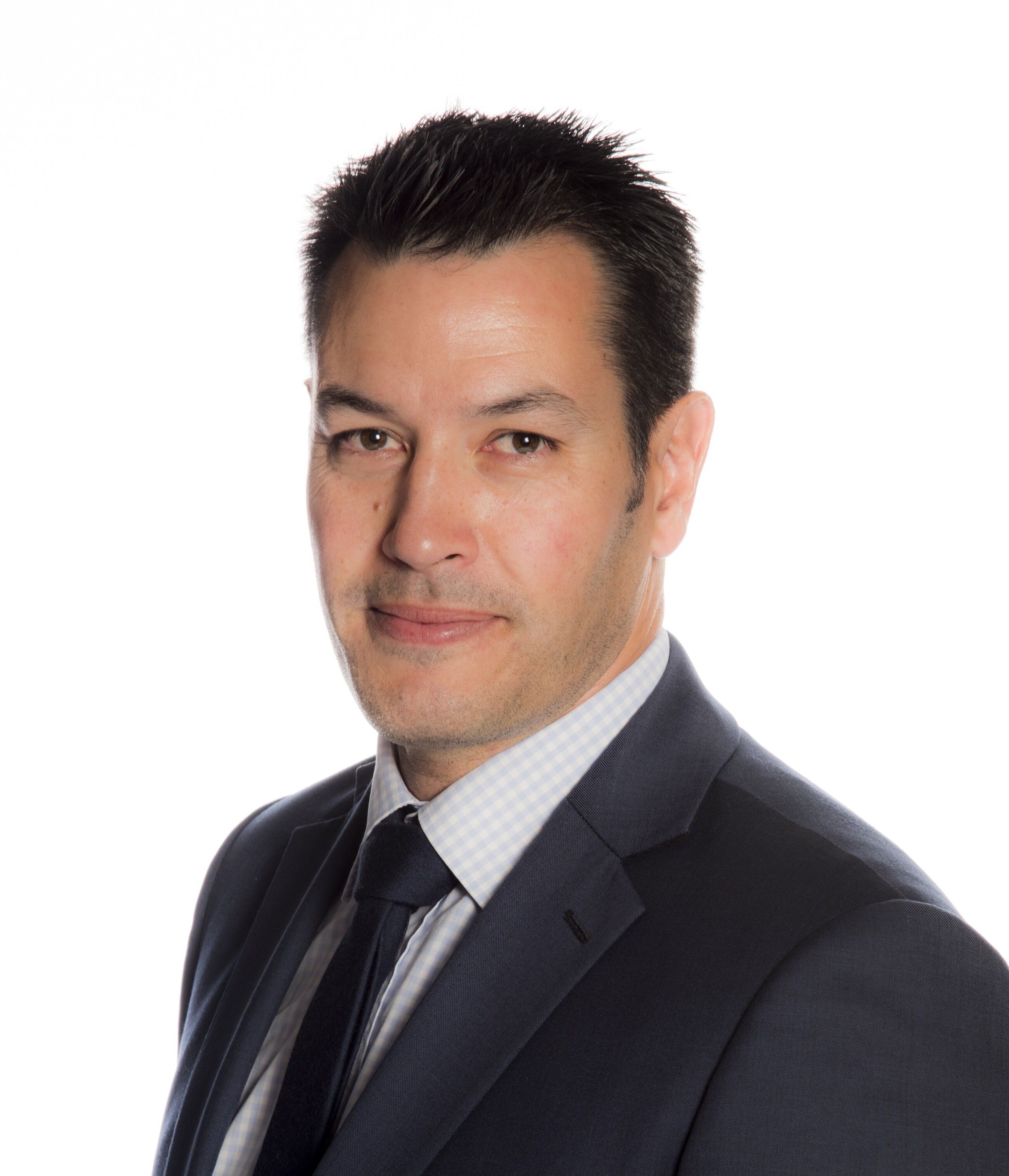
Author - Duncan Ross
Chief Operating Officer and National Director Rural
As COO for Bayley Corporation, Duncan oversees the execution of Bayleys’ wider company operational and strategic activities, monitors productivity and results, and helps facilitate the “Altogether Better” philosophy that underpins Bayleys’ business.
Contact us


